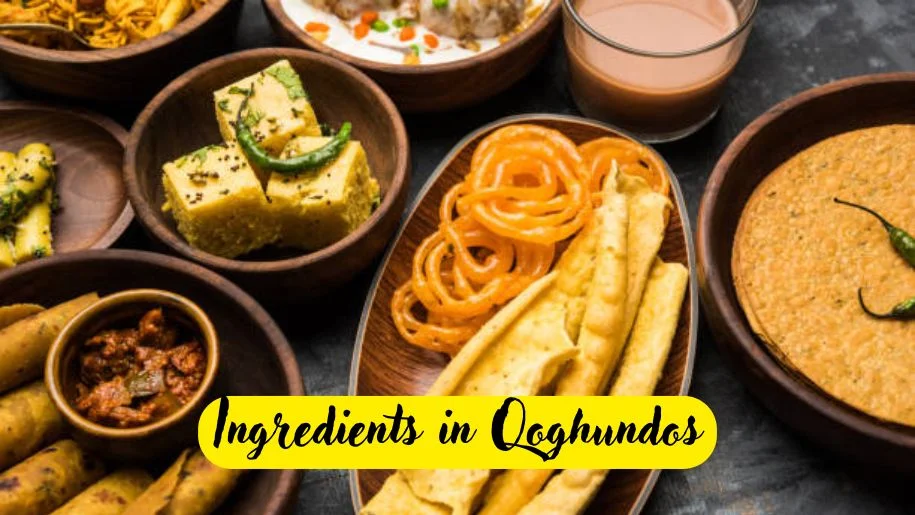
Introduction to Qoghundos and Their Ingredients
Qoghundos are a traditional dish with significant cultural importance, particularly within Central Asian culinary practices. Traditionally, they are made from a blend of various ingredients that reflect the rich agricultural landscape of the region. The dish has been enjoyed for generations and is often served during communal gatherings or festive occasions, showcasing its role not only as a meal but also as a part of cultural heritage.
The ingredients in qoghundos are diverse, contributing to both the flavor and nutritional profile of the dish. Some of the commonly utilized components include wheat flour, meat (often lamb or beef), various vegetables, and a range of spices. Each of these ingredients plays a crucial role in the dish’s overall character and benefits.
Wheat flour serves as the base component, providing essential carbohydrates and a source of energy. It is often used to create the dough or wrap around the filling, making it a foundational element of qoghundos. Meat, particularly red meat, contributes protein and essential amino acids, which are vital for muscle repair and overall health.
Vegetables incorporated into qoghundos may vary, but common choices include onions, carrots, and potatoes. These vegetables not only add flavor and texture but also deliver essential vitamins and minerals, significantly enhancing the dish’s nutritional value. Spices, such as cumin and coriander, not only deepen the flavor profile but can also provide various health benefits, including anti-inflammatory properties.
Overall, the blend of these ingredients in qoghundos may not only result in a delicious dish but also potential health benefits, leading to the question: are the ingredients in qoghundos good for your health? Understanding this requires a deeper exploration of each component, including their nutritional contributions and implications for well-being.
Nutritional Profile of Qoghundos Ingredients
The primary ingredients in qoghundos are rich in various macronutrients and micronutrients, which play a crucial role in maintaining overall health. Understanding the nutritional profile of these ingredients can help answer the question, “Are the ingredients in qoghundos beneficial for your health?”
Qoghundos typically contain a blend of grains, nuts, and sometimes dried fruits. These components provide carbohydrate as their foundational macronutrient, serving as a significant source of energy. Carbohydrates from whole grains, such as oats or rice, contribute dietary fiber, which promotes healthy digestion and can assist in weight management.
Additionally, these ingredients include noteworthy amounts of proteins sourced from nuts and seeds. Proteins are essential for various bodily functions, including muscle repair and the synthesis of hormones and enzymes. The blend of nuts can also offer healthy fats, particularly unsaturated fats, contributing to heart health when consumed in moderation.
On the micronutrient front, the ingredients in qoghundos often provide an array of vitamins and minerals. Commonly found vitamins include B-vitamins that support energy metabolism and vitamin E, which acts as an antioxidant. Essential minerals like magnesium and zinc are prevalent, aiding in metabolic processes and immune function respectively.
In essence, evaluating whether the ingredients in qoghundos are good comes down to their rich content of energy-providing macronutrients and essential micronutrients. Combined, these elements support various bodily functions, reinforcing the notion that such foods can be beneficial when included as part of a balanced diet. Therefore, the inclusion of qoghundos in one’s diet could contribute positively to overall well-being and health.
Health Benefits and Potential Risks
Qoghundos is composed of various ingredients, each contributing unique properties that may promote health and well-being. Many of these components are rich in vitamins, minerals, and antioxidants, which can support overall health. For instance, common ingredients in qoghundos such as honey and nuts are known for their anti-inflammatory and antioxidant properties. These ingredients can help in reducing oxidative stress in the body, thereby potentially lowering the risk of chronic diseases.
Several studies have highlighted the health benefits associated with nuts, which are commonly included in qoghundos. Nuts are a great source of protein, healthy fats, and fiber; they have been linked to better heart health, improved cholesterol levels, and reduced risk of diabetes. Additionally, honey, often used in this dish, is praised for its antibacterial and anti-inflammatory properties, making it an excellent natural sweetener that can also support immune function.
Despite these benefits, it is important to consider the potential risks that some ingredients in qoghundos may pose. Certain individuals may have allergies to nuts or other constituents, which could lead to serious health complications. Furthermore, for those who are diabetic or managing their weight, the sugar content in honey may be a concern. Additionally, some ingredients may not align with specific dietary restrictions, such as veganism or gluten intolerance, leading to potential adverse effects if consumed without caution.
Therefore, when evaluating the question “is ingredients in qoghundos good?” it becomes essential to weigh both the health benefits and possible risks. While many ingredients can enhance one’s diet significantly, individual sensitivities and dietary needs must guide consumption choices. Balancing these factors ensures a safe and healthful enjoyment of qoghundos.
Conclusion: A Holistic View on Qoghundos’ Ingredients
In assessing whether the ingredients in qoghundos are beneficial for health, it becomes evident that a comprehensive approach is necessary. The various components that constitute qoghundos—ranging from natural herbs to spices—offer a spectrum of health advantages that may contribute positively to overall well-being. When scrutinized individually, many of these ingredients have been linked to a variety of health benefits, including antioxidant properties and potential anti-inflammatory effects. This brings us to the question, are the ingredients in qoghundos good for your health?
Moreover, the inclusion of qoghundos in a balanced diet can be advantageous, particularly when integrated as an accompaniment to a wide array of nutritious foods. For those looking to enhance their meal plans, incorporating qoghundos can provide not only flavor but also added health benefits that align with dietary preferences. However, it is imperative to consider individual dietary restrictions and lifestyle choices. For instance, while the ingredients in qoghundos may be beneficial for many, those with specific allergies or sensitivities should exercise caution.
Ultimately, the ingredients in qoghundos can factor significantly into a healthy lifestyle, but they should be viewed as one part of a broader nutritional tapestry. Individuals are encouraged to consult with healthcare professionals or nutritionists to evaluate how the inclusion of qoghundos could fit into their personal health regimen. Taking into account one’s unique health needs and nutritional goals will ensure that any enhancements to one’s diet are both beneficial and sustainable.